

What Makes a Great Koi (And Why It’s More Than Just Color)

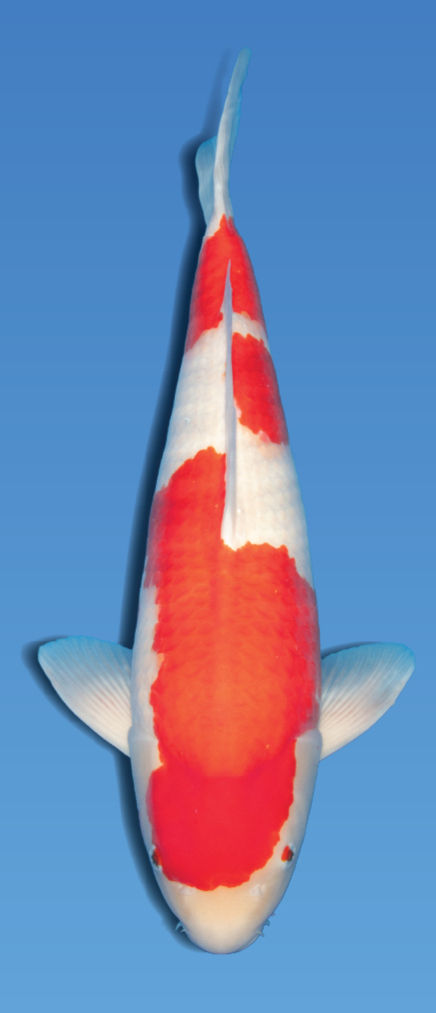
Why people fall in love with koi at first sight
People fall for koi at first sight because of their stunning, vibrant colors, elegant movement, and deep symbolism of luck, strength, and perseverance in Japanese culture, creating an instant, mesmerizing connection that feels both beautiful and meaningful, tapping into our love for nature, art, and positive omens. Their intelligence, ability to recognize owners, and serene presence also add to their captivating charm, making them more than just fish, but living art that brings peace and wonder. Let's break it down.
Why Color Catches the Eye (But Shouldn’t Make the Decision)
Color is the first thing most people notice—and that’s completely natural. Clean whites, deep reds, striking sumi patterns…these are what draw us in.
But color is also the most temporary feature of a koi.
Hi can soften, sumi can rise or recede, and even the brightest koi can lose impact if the underlying quality isn’t there. That’s why experienced keepers and judges look deeper than surface beauty.

Which brings us to the three pillars of a quality koi.
Body conformation (frame, balance, future growth)
Skin quality (luster, thickness, clarity)
Pattern & balance (how it should age, not just now)
Common beginner mistakes (buying for color alone) 1. Body Conformation: The Foundation of Everything
Body comes first—always.
A koi’s frame determines how it will grow, how it will carry its pattern, and how it will look years down the road. Look for:
A balanced, torpedo-shaped body
A thick tail tube (power and future growth)
Smooth transitions from head to shoulder to tail
A koi with excellent color but weak structure may look impressive now—but it often won’t age well. Strong conformation, on the other hand, gives a koi the potential to mature gracefully and hold its beauty over time.
You can’t “fix” body later. This is the foundation.

2. Skin Quality: The Glow You Can’t Fake
Great skin isn’t always obvious to beginners, but once you learn to see it, you can’t unsee it.
High-quality skin has:
Natural luster and depth
Thickness that reflects light evenly
Clean, healthy white (shiroji)
Skin quality is what gives koi that glow—whether they’re photographed, swimming in your pond, or viewed years into their development. Even modest patterns can look extraordinary on exceptional skin, while flashy patterns fall flat without it.
This is one of the biggest differences between average koi and truly special ones.

3. Pattern & Balance: Think Long-Term, Not Just Today
Pattern is important—but how it will age matters more than how it looks right now.
Balanced patterns:
Complement the body shape
Flow naturally from head to tail
Leave room for development
Young koi often change significantly as they grow. Sumi emerges, spreads, or refines. Hi stretches. What looks “perfect” at a small size can become crowded later, while simpler patterns often mature into something elegant and powerful.
A good pattern today is nice. A pattern that improves with age is what collectors really value.

Common Beginner Mistakes (And Why They’re Normal)
One of the most common mistakes new koi keepers make is buying solely based on color or photos—and that’s okay. Everyone starts somewhere.
Other common pitfalls include:
Choosing multiple smaller koi instead of one higher-quality fish
Ignoring body structure in favor of bold markings
Expecting koi to stay exactly the same over time
Learning what to look for takes experience—and asking the right questions. Education is part of the journey, not a prerequisite.
Buy for the Future, Not Just the Photo
Photos capture a moment—but they don’t tell the whole story.
Two koi of the same size can have very different prices because one has the structure, skin quality, and balance to become something exceptional, while the other may already be near its peak.
If you’ve ever wondered why two koi of the same size can have very different prices, this is why.
When you buy with the future in mind, you’re not just choosing a fish for today—you’re investing in what it will become over the years. And that’s where the real beauty of koi keeping lives.

Written by Alex Ayres, Media Specialist at Select Koi


Comments